Choosing the right clothing manufacturer is one of the most critical decisions you will make when building a brand, yet it is also one of the most underestimated. Many founders spend weeks perfecting their designs, branding, and marketing plans, but treat manufacturing as a simple backend task. In reality, your manufacturer is not just a supplier, they are a core part of your business operations.
A poor manufacturing partner can lead to inconsistent quality, delayed timelines, and constant frustration. On the other hand, the right manufacturer brings stability, clarity, and confidence to your entire process. When things are set up correctly, production stops feeling like a risk and starts feeling like a system you can rely on.
If you’re just starting, it’s important to first understand how to launch your clothing line step by step before choosing a manufacturer.
Why Choosing the Right Manufacturer Matters
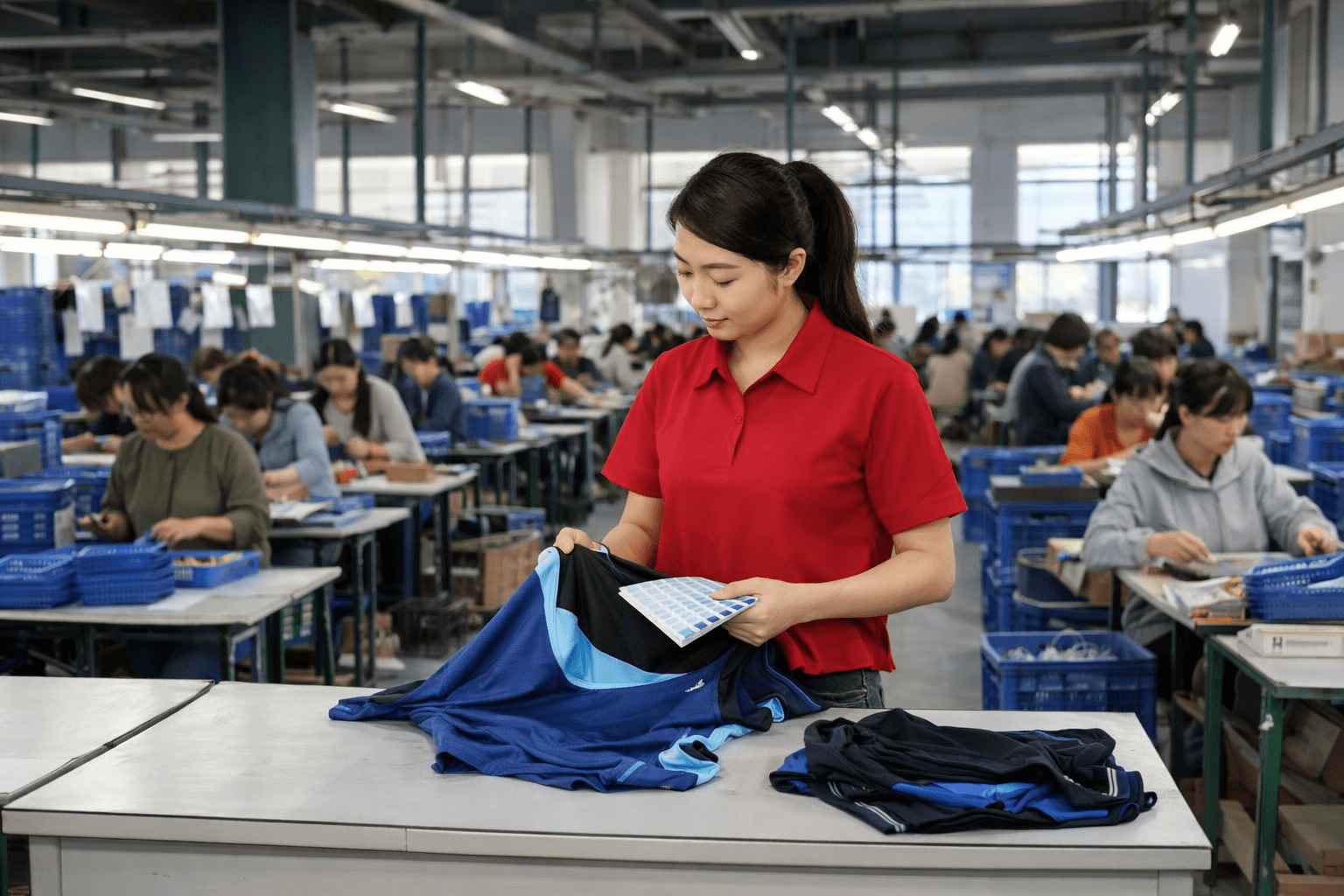
At a surface level, it may seem like a manufacturer simply produces your garments. But in practice, their role goes much deeper than that. They directly influence how your product feels in the customer’s hands, how long it lasts, and whether it reflects the standard your brand promises.
When your production is inconsistent, customers notice immediately. Sizes vary, prints fade, stitching comes loose, and suddenly your brand starts losing trust. This is why experienced brands treat manufacturing as a strategic decision rather than a transactional one.
A strong manufacturing partner impacts:
- Product quality and long-term durability
- Delivery timelines and launch reliability
- Customer satisfaction and repeat purchases
- Overall brand perception in the market
If your manufacturer is unreliable, your growth will always feel unstable.
Some manufacturers specialize in sportswear and fitness apparel, which require technical expertise.
Step 1: Define Your Product Clearly Before You Start
Before reaching out to any clothing manufacturer, it is essential to get clarity on what you actually want to produce. Without this clarity, communication becomes vague, and manufacturers are forced to make assumptions, which often leads to mistakes.
Instead of saying “I want to start a clothing brand,” break it down into specifics. Think about the exact product category, the level of quality you want to achieve, and the type of customization your designs require.
You should have a clear idea of:
- Product category such as sportswear, streetwear, workwear, or uniforms
- Target quality level, whether basic, mid-range, or premium
- Estimated order quantities and expected MOQ range
- Customization details like printing methods, embroidery, labels, and packaging
The more precise you are at this stage, the easier it becomes for the manufacturer to execute your vision correctly.
Step 2: Understand Different Types of Manufacturers
Not all clothing manufacturers operate under the same model, and choosing the wrong type can create unnecessary complications in your workflow. Understanding how different setups work allows you to choose a partner that aligns with your level of experience and control.
Full-package manufacturers handle everything from sourcing fabrics to final production, which makes them ideal for beginners who want a more guided process. On the other hand, CMT (Cut, Make, Trim) manufacturers only handle the production side, meaning you are responsible for sourcing materials and managing technical details.
There are also specialized manufacturers who focus on specific niches such as gym apparel, sports uniforms, or combat sports gear. These manufacturers often deliver better results because they understand the performance requirements and technical standards of those products.
In most cases, working with a manufacturer that already understands your niche will save you time, reduce errors, and improve product quality.
Step 3: Overseas vs Local Manufacturing
One of the most common questions brands face is whether to work with an overseas manufacturer or a local one. While this decision often gets framed as a quality issue, it is actually more about communication, cost structure, and operational systems.
Overseas manufacturing, particularly in countries like Pakistan or China, offers strong advantages in terms of cost efficiency, scalability, and customization flexibility. However, these benefits only materialize if the manufacturer has a structured process and clear communication.
Local manufacturing, on the other hand, provides easier coordination and faster shipping, but often comes with higher production costs and limited flexibility in customization.
The key point to understand is that location alone does not determine reliability. A well-managed overseas manufacturer with clear systems can outperform a poorly managed local factory. What matters is how the manufacturer operates, not where they are based.
Step 4: Evaluate Communication From the Start
Communication is one of the earliest indicators of how a manufacturer will perform during actual production. If interactions are unclear or inconsistent during the inquiry phase, those issues will only become more pronounced once production begins.
Pay close attention to how the manufacturer responds to your questions. Do they provide clear and structured answers, or do they give vague reassurances? Do they ask relevant follow-up questions that show they understand your requirements?
Strong communication typically looks like:
- Clear, direct, and structured responses
- Timely replies without unnecessary delays
- A genuine effort to understand your product
- Thoughtful questions that clarify details
If communication feels disorganized at the beginning, it is usually a sign of deeper operational issues.
Step 5: Sampling Is Where You See the Truth
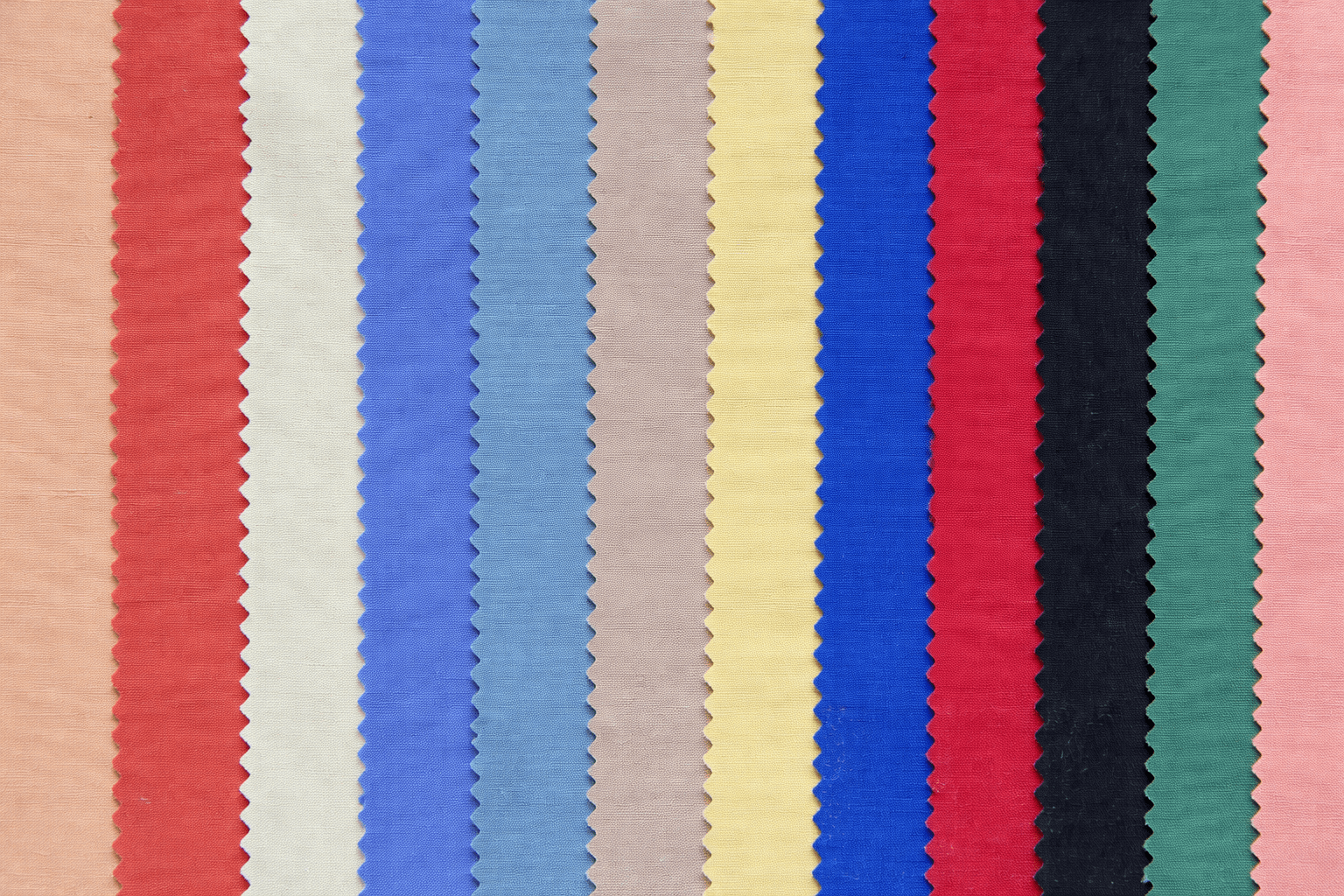
Sampling is the stage where your idea transitions from concept to reality, and it often reveals gaps that are not visible on paper. This is why experienced brands treat sampling as a critical phase rather than a formality.
When you receive your sample, you should evaluate it from multiple angles. Look closely at the fabric quality, stitching consistency, print or embroidery execution, and overall fit. These details collectively determine how your final product will perform in real-world use.
It is important to understand that your first sample may not be perfect. This is completely normal. What truly matters is how the manufacturer responds to feedback and how efficiently they implement revisions. A reliable manufacturer will treat sampling as a collaborative process rather than a one-time task.
This is where your idea moves into real production — part of the from idea to production process.
Step 6: Understanding MOQ in a Practical Way
Minimum Order Quantity, or MOQ, is often misunderstood as just a number, but it actually reflects the operational structure of a manufacturer. Factories with extremely low MOQs may lack the scale needed for consistent production, while those with very high MOQs may not be suitable for smaller or growing brands.
Instead of focusing only on the number, consider how it fits into your current stage. If you are testing a new product, you need flexibility. If you are scaling, you need consistency and capacity.
The goal is to find a balance where the manufacturer’s MOQ aligns with your business model without creating unnecessary financial pressure.
Step 7: Assess Production Capability
Before moving forward with any manufacturer, it is important to understand their production capacity and experience. This step ensures that they can handle your requirements without compromising quality or timelines.
You should ask about their monthly production volume, the number of production lines they operate, and their experience with similar products. These details provide insight into whether they can deliver consistent results at your required scale.
Working with a manufacturer that lacks experience in your product category often leads to avoidable mistakes, especially in performance-based apparel.
Step 8: Quality Control Systems Define Reliability
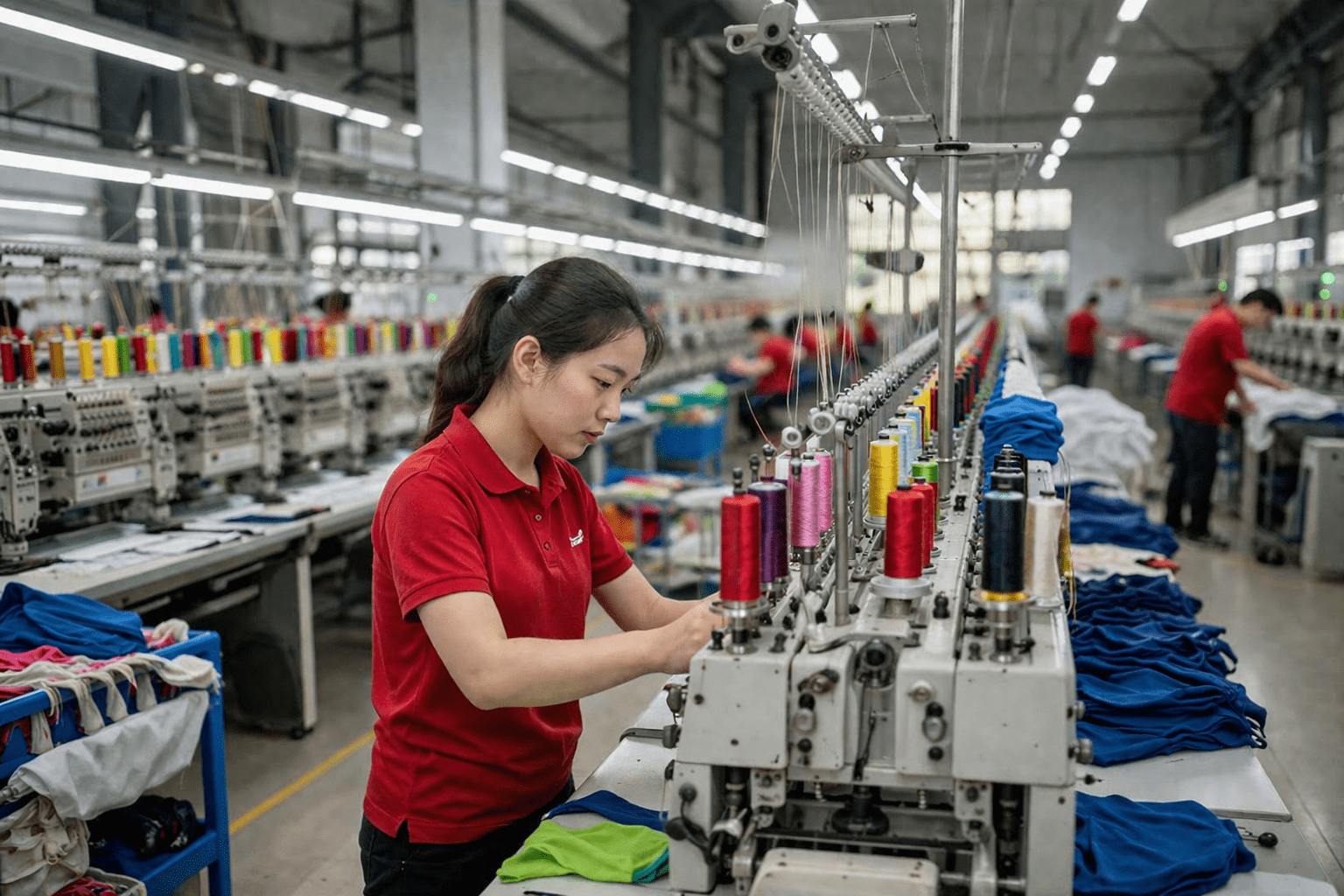
Quality is not something that can be “checked at the end.” It needs to be built into the production process through structured systems.
Reliable manufacturers implement quality control at multiple stages, including during cutting, stitching, and final finishing. This reduces the chances of defects reaching the final product.
You should always ask how the manufacturer handles quality control. Do they perform inspections during production, or only after everything is completed? Do they provide reports or visual updates?
If a manufacturer cannot clearly explain their quality control process, it usually means the process is not well defined.
Step 9: Choose the Right Customization Methods
Customization is where your brand identity becomes visible, but different techniques serve different purposes. Choosing the wrong method can affect both durability and overall appearance.
For example, screen printing works well for bulk production and offers strong durability, while embroidery provides a premium look for logos. Sublimation is ideal for sportswear because it does not fade or crack, and DTG printing is better suited for smaller runs.
A knowledgeable manufacturer will guide you toward the right method based on your product type rather than simply agreeing to every request.
Step 10: Pricing Should Be Viewed Strategically
Pricing is often the deciding factor for many brands, but focusing only on cost can lead to long-term problems. Lower prices often come at the expense of material quality, stitching standards, or production reliability.
Instead of looking for the cheapest option, evaluate the overall value. A slightly higher production cost that ensures consistency and durability will almost always be more profitable in the long run.
Step 11: Lead Times and Consistency
Timelines play a critical role in product launches, but they need to be realistic. Promises of extremely fast production without clear breakdowns should be treated with caution.
A reliable manufacturer will provide structured timelines for sampling, bulk production, and shipping. More importantly, they will consistently meet those timelines rather than constantly revising them.
Consistency builds trust, both for you and your customers.
Step 12: Recognizing Red Flags Early
There are certain warning signs that should not be ignored when evaluating a manufacturer. These signals often indicate deeper issues that will surface later in the process.
Common red flags include:
- Slow or unclear communication
- Avoidance of technical questions
- Lack of a structured sampling process
- Unrealistically low pricing
- No defined quality control system
- Overpromising on timelines
Identifying these early can save you significant time, money, and stress.
What the Right Manufacturer Feels Like
When you find the right manufacturing partner, the entire process becomes smoother and more predictable. Communication becomes clearer, production becomes more consistent, and you spend less time managing problems.
Instead of constantly following up, you receive updates. Instead of worrying about quality, you trust the process. This is what it feels like to work with a manufacturer who operates like an extension of your internal team.
Final Thought
Building a successful clothing brand is not just about creativity or marketing. It is about execution, and manufacturing is a core part of that execution.
Taking the time to choose the right clothing manufacturer is not a delay in your progress, it is an investment in your brand’s stability. When this foundation is strong, everything else becomes easier to manage and scale.
Looking for a Reliable Clothing Manufacturer?
If you are serious about building a brand and want a partner who understands production at a deeper level, FRK Industry is built for that purpose.
We focus on clear communication, consistent quality, and structured processes that remove uncertainty from manufacturing. The goal is simple, to give you the confidence of working with a team that feels like your own.
If you are ready to move forward, you can reach out and start the conversation.