
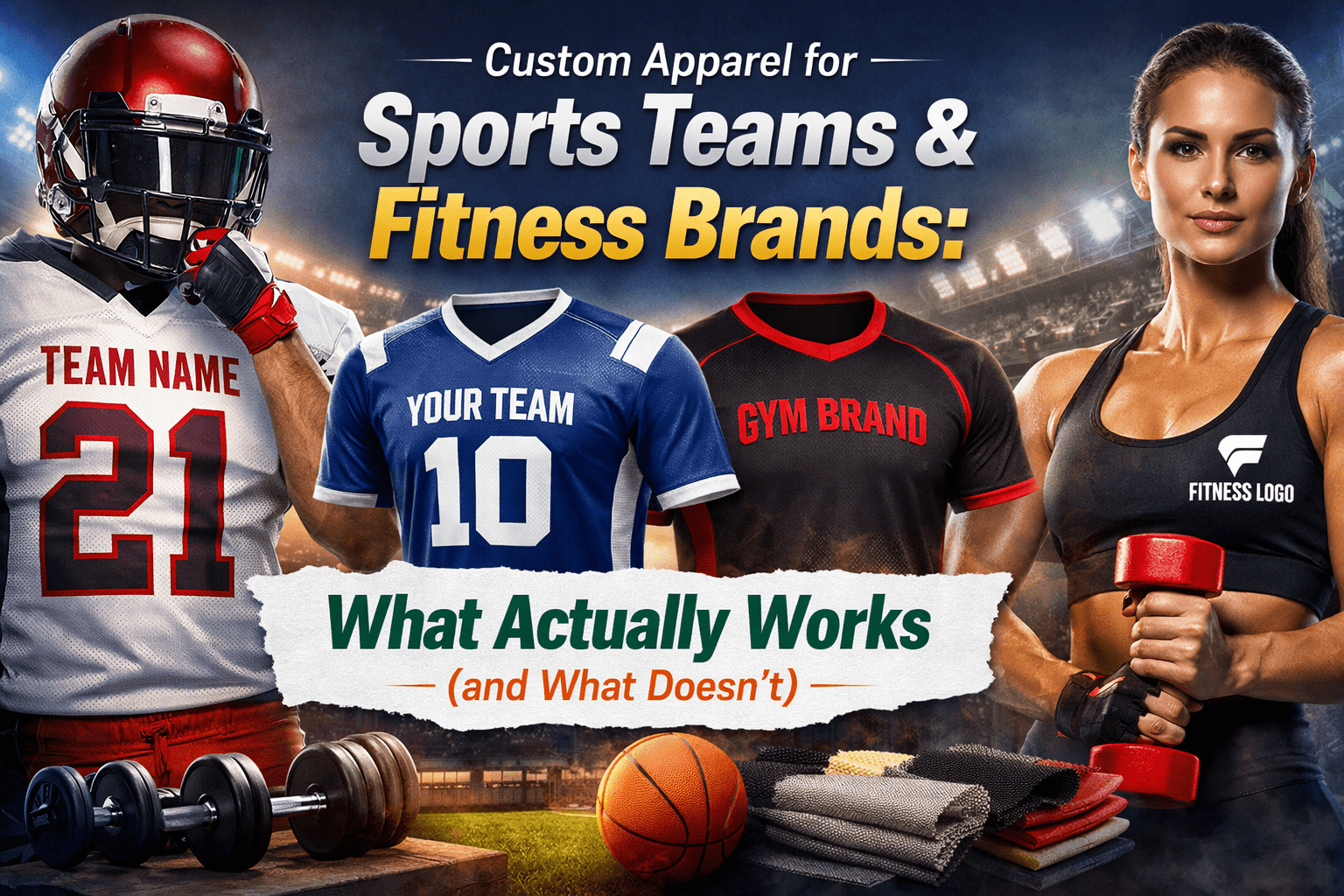
Most sports teams, gyms, and fitness brands don’t struggle because of weak branding or poor marketing. They struggle because their custom apparel doesn’t perform the way it should in real use.
On the surface, everything looks fine. The design looks good, the logo placement seems right, and the product photographs well. But once customers actually wear the product, issues start showing up. The fabric feels uncomfortable, prints begin to fade, stitching loosens, and the overall experience falls short.
This is where most brands lose trust.
This guide breaks down what actually works when producing custom apparel for sports teams, gym brands, fitness clothing lines, and combat sports organizations, and what usually goes wrong during manufacturing.
Before investing in custom apparel, you need a clear plan for launching a clothing brand.
Why Custom Apparel Is More Than Just “Merch”
For many businesses, apparel starts as merchandise. But for sports teams and fitness brands, it quickly becomes much more than that.
Your apparel represents your identity in the real world. It’s worn during training sessions, competitions, and everyday workouts. It becomes part of how your audience experiences your brand.
If your product feels premium, performs well, and lasts over time, it strengthens your positioning. If it fails, even slightly, it creates doubt.
Custom apparel directly impacts:
- Brand perception and credibility
- Customer retention and repeat purchases
- Word-of-mouth marketing
- Long-term brand positioning
In simple terms, your product either reinforces your brand or quietly weakens it.
What Actually Works in Custom Apparel Manufacturing
There are a few core factors that consistently define whether a product succeeds or fails in this space. Most of them are not visible in mockups, but they become obvious in real use.
1. Fabric Selection Defines Performance
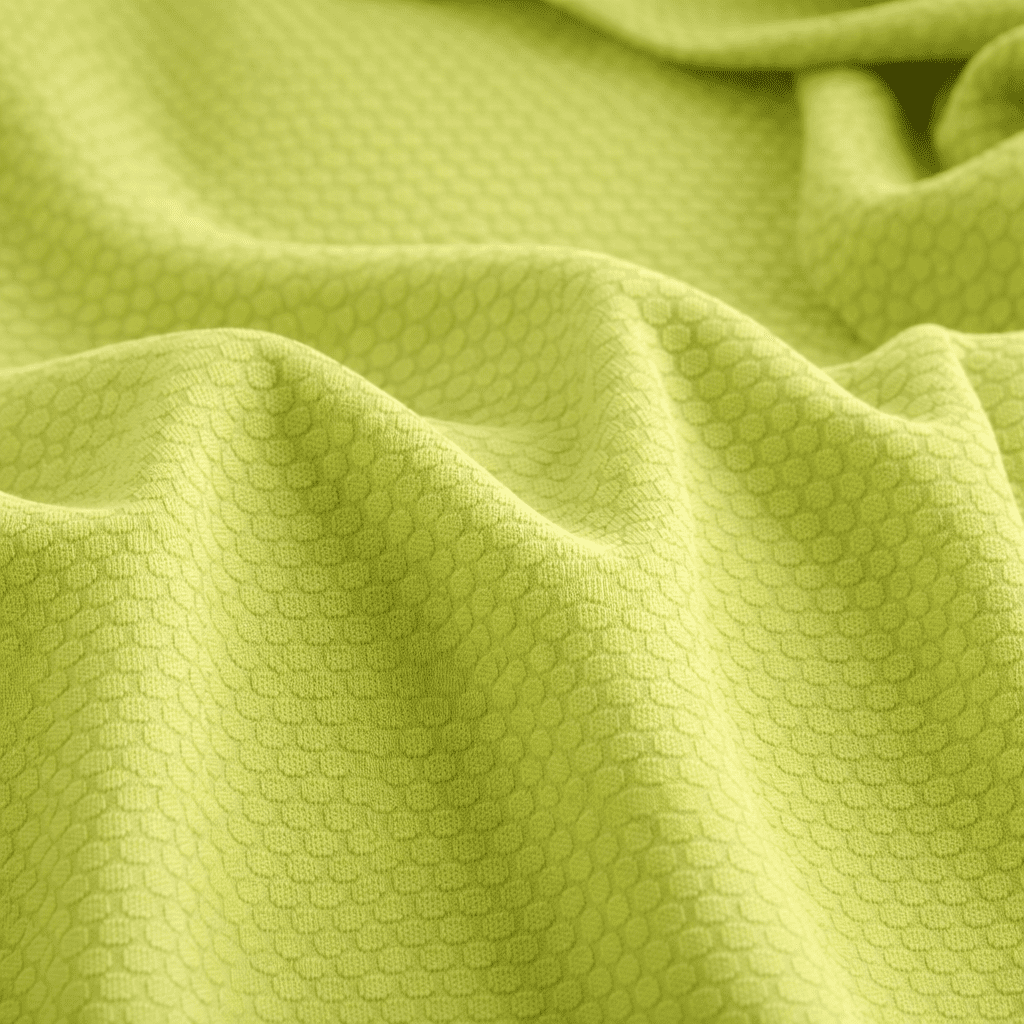
Fabric is the foundation of any performance apparel. It determines how the product feels, how it reacts to sweat, how it stretches during movement, and how long it lasts after repeated use.
For sports teams and gym brands, this is not optional. The wrong fabric will make even the best design feel uncomfortable and unusable.
For example, moisture-wicking polyester fabrics are widely used in custom sportswear manufacturing because they handle sweat effectively and dry quickly. For gym apparel, blends like polyester and spandex provide the flexibility and stretch required for movement-heavy workouts. In combat sports such as MMA or BJJ, durability becomes even more critical, which is why higher GSM fabrics and reinforced materials are preferred.
What works in practice is a balance between comfort, breathability, and durability.
Strong fabric choices include:
- Polyester for sweat resistance and durability
- Polyester-spandex blends for stretch and flexibility
- Mesh panels for airflow and breathability
- Compression fabrics for performance wear
What doesn’t work:
- Basic cotton for high-performance use
- Low-quality blends that lose shape after washing
- Ignoring stretch and recovery in activewear
If the fabric is wrong, everything built on top of it will fail.
2. Printing and Branding Methods Must Match the Use Case
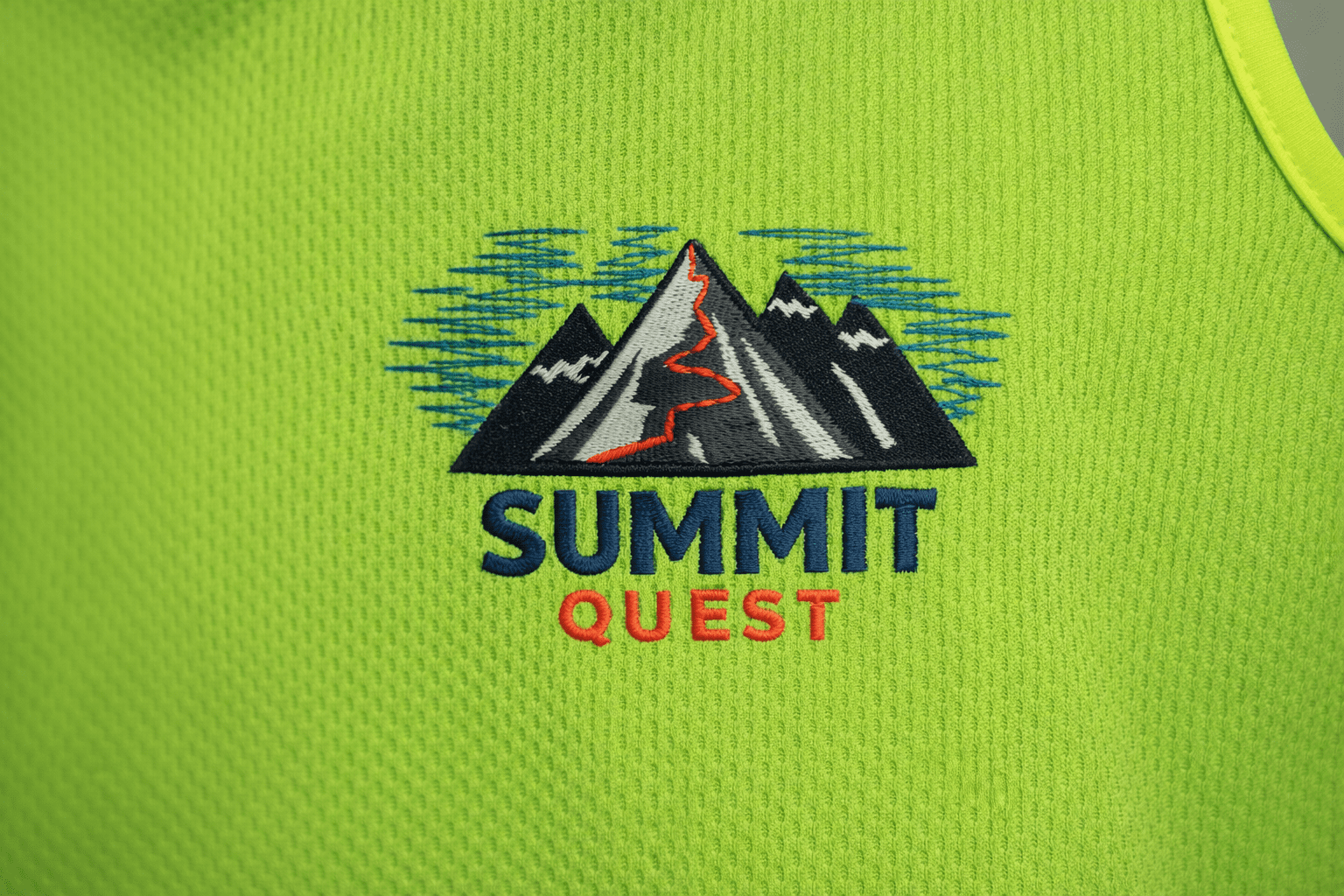
Branding is where your apparel becomes recognizable, but it is also where many brands make critical mistakes. Not all printing methods are designed for the same type of use, and choosing the wrong one can reduce the lifespan of your product.
For example, sublimation printing for sports jerseys is one of the most reliable methods because the design becomes part of the fabric itself. It does not crack, peel, or fade easily, which makes it ideal for team uniforms and performance wear.
Screen printing, on the other hand, is widely used for custom gym apparel and bulk production because it is durable and cost-effective when done correctly. Embroidery is often used for premium branding, especially on hoodies, polos, and workwear programs.
DTG printing works well for smaller runs or highly detailed designs, but it is not always suitable for heavy athletic use.
What works:
- Matching the printing method to the product’s purpose
- Testing durability before bulk production
- Keeping designs aligned with production capabilities
What doesn’t work:
- Using the same method for every product type
- Ignoring how prints behave after multiple washes
- Overcomplicating designs without considering durability
The goal is not just to make the product look good on day one, but to ensure it still looks good after months of use.
3. Fit and Functionality Drive Real-World Experience
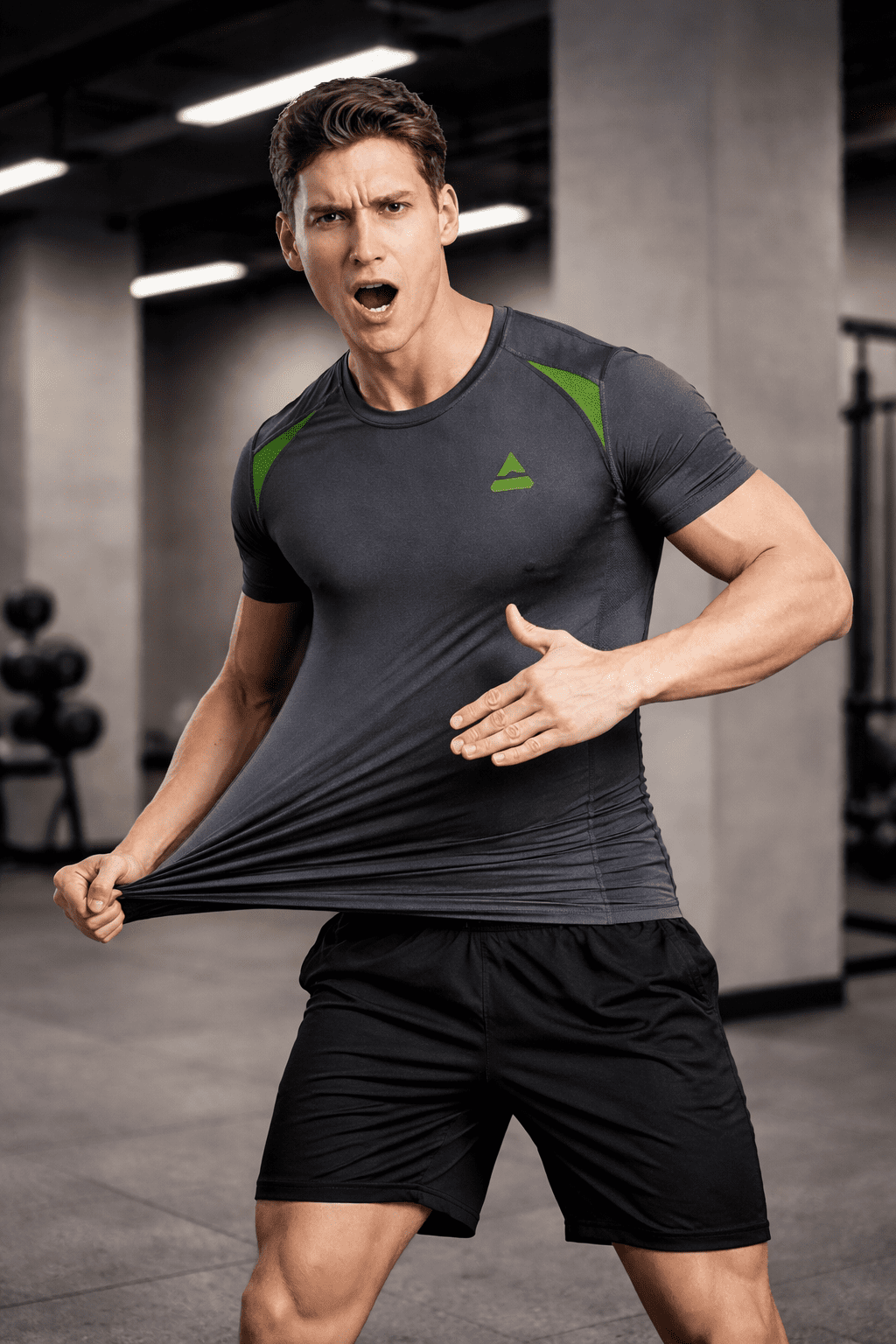
Fit is often underestimated, but it plays a major role in how customers perceive your product. A garment can have great fabric and strong branding, but if the fit feels off, the overall experience suffers.
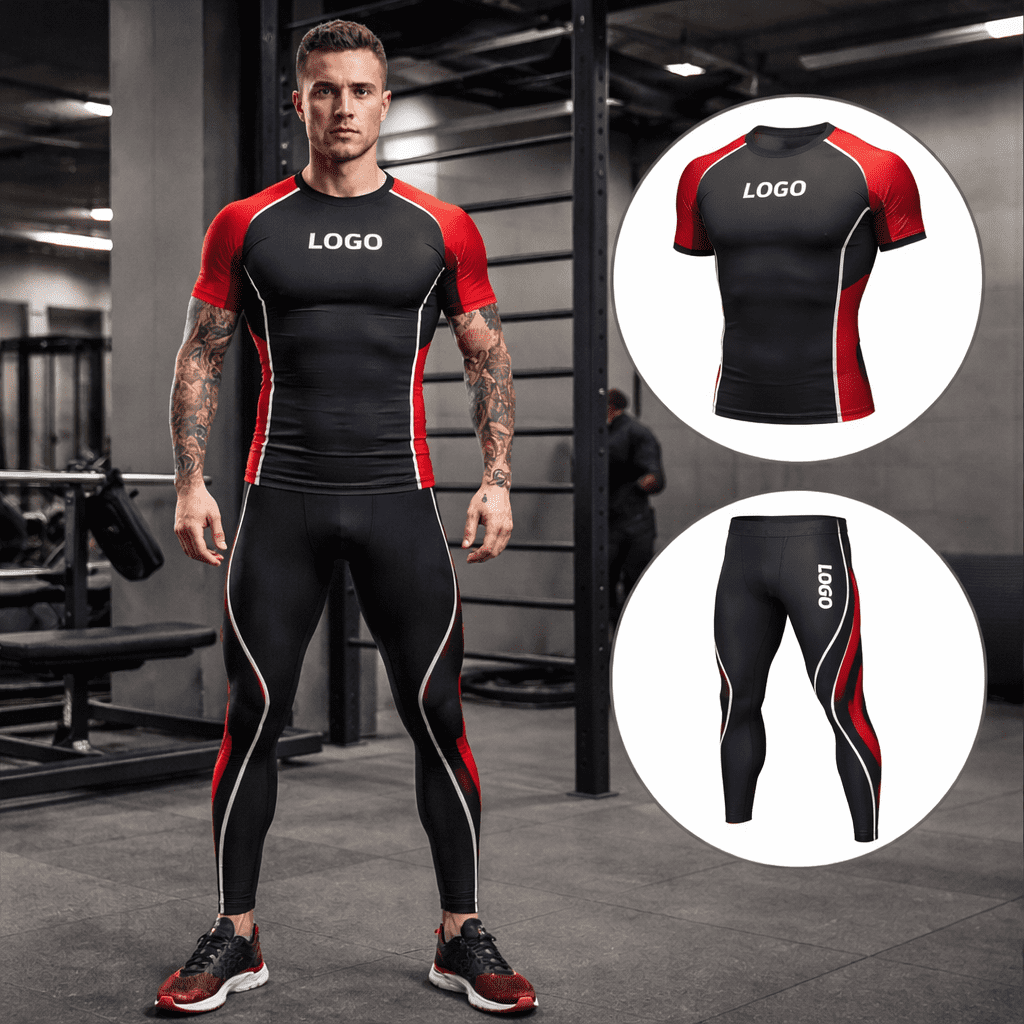
Performance apparel needs to be designed with movement in mind. For example, a gym t-shirt should allow full shoulder mobility, while leggings should provide stretch without becoming transparent. MMA shorts must support dynamic movement without restricting flexibility.
What works is designing apparel that adapts to real activity, not just static measurements.
Effective approaches include:
- Athletic cuts tailored for movement
- Stretch panels in high-mobility areas
- Consistent sizing across batches
What doesn’t work:
- Generic sizing without considering activity
- Restrictive designs that limit movement
- Ignoring feedback from real users
A good fit is not just about aesthetics. It is about functionality.
4. Durability Is What Builds Long-Term Trust
For sports teams and fitness brands, apparel goes through intense usage. It is exposed to sweat, friction, frequent washing, and constant movement.
If the product cannot handle this, customers will notice quickly.
Durability comes from a combination of factors, including stitching quality, fabric strength, and print resilience. Reinforced stitching in high-stress areas, strong thread quality, and proper finishing techniques all contribute to how long the product lasts.
What works:
- Reinforced seams and stress points
- High-quality threads and stitching techniques
- Fade-resistant printing methods
What doesn’t work:
- Loose stitching that comes apart after a few uses
- Fabrics that shrink or lose shape
- Colors that bleed or fade quickly
Durability is not something customers think about initially, but it is what determines whether they come back.
5. Consistency in Bulk Production Is What Scales Brands
One of the biggest gaps between small and successful brands is consistency.
A single good sample does not guarantee a successful production run. The real challenge is maintaining the same level of quality across hundreds or thousands of pieces.
This is where many manufacturers fail.
Consistency requires:
- Standardized production processes
- Reliable fabric sourcing
- Structured quality control systems
Without these, issues like size variation, color inconsistency, and uneven finishing start to appear.
What works:
- Working with a manufacturer experienced in bulk custom apparel production
- Implementing quality checks during production
- Maintaining clear communication throughout the process
What doesn’t work:
- Assuming the bulk will match the sample automatically
- Ignoring production updates
- Working with factories that lack systems
Consistency is what allows brands to scale without increasing problems.
What Doesn’t Work (Common Mistakes Brands Make)
Understanding what works is important, but avoiding common mistakes is just as critical.
Choosing a Manufacturer Based Only on Price
Lower prices often come with hidden trade-offs. These may not be visible immediately, but they show up over time in the form of poor quality, delays, and customer complaints.
Skipping or Rushing the Sampling Process
Sampling is where problems are identified early. Skipping this step or rushing through it increases the risk of large-scale production issues.
Overcomplicating Product Design
Complex designs can look impressive in mockups but may fail during production. Simpler, well-executed designs often perform better.
Working with Non-Specialized Manufacturers
A manufacturer who produces everything may not understand the specific requirements of performance apparel. This often leads to compromises in quality.
Poor Communication and Lack of Clarity
Miscommunication leads to incorrect outputs. Clear instructions and structured communication are essential for consistent results.
Custom Apparel Requirements by Segment
Different segments within the apparel industry have different priorities, and understanding these differences helps in making better production decisions.
Sports Teams
Sports teams require apparel that combines durability with strong visual identity. Sublimation is often preferred for jerseys because it ensures long-lasting designs.
Fitness Brands and Gyms
Gym apparel focuses on comfort, flexibility, and aesthetics. Stretch fabrics and clean branding play a key role here.
Combat Sports (MMA, Boxing, BJJ)
Combat sports apparel must handle intense physical stress. Strength, flexibility, and reinforced construction are critical.
Workwear Programs
Workwear requires durability, functionality, and a professional appearance. Embroidery and strong fabrics are commonly used.
How to Choose the Right Custom Apparel Manufacturer
At this point, it should be clear that not all manufacturers are equipped to handle performance apparel effectively.
The right custom clothing manufacturer for sportswear or gym apparel will:
- Understand your specific niche
- Guide you on fabric and printing methods
- Offer a structured sampling process
- Maintain consistent production quality
Choosing the right partner reduces risk and improves overall outcomes.
What a Strong Apparel Setup Feels Like
When everything is aligned, your apparel starts working for your brand instead of against it.
You will notice:
- Products that feel premium in hand
- Fewer complaints and returns
- Stronger customer trust
- Easier scaling of your product line
At that point, your apparel becomes more than just a product. It becomes a growth asset.
Final Thought
Custom apparel is not just about putting a logo on a garment. It is about creating a product that performs under real conditions, represents your brand accurately, and holds up over time.
When you focus on fabric, fit, durability, and consistency, you build a foundation that supports long-term growth.
When you ignore these factors, problems start to appear quickly.
Looking for a Reliable Custom Apparel Manufacturer?
If you are building a sports team identity, launching a fitness clothing brand, or scaling a private label apparel line, having the right manufacturing partner makes all the difference.
At FRK Industry, the focus is not on being the cheapest option. The focus is on delivering consistent quality, clear communication, and a structured production process that removes uncertainty.
The goal is simple:
👉 To give you peace of mind, like you are working with your own in-house team.
If you are ready to move forward, you can reach out and start the conversation.